Pooled Wearable Metrics and Their Impact on Dynamic Odds in Team Endurance Events
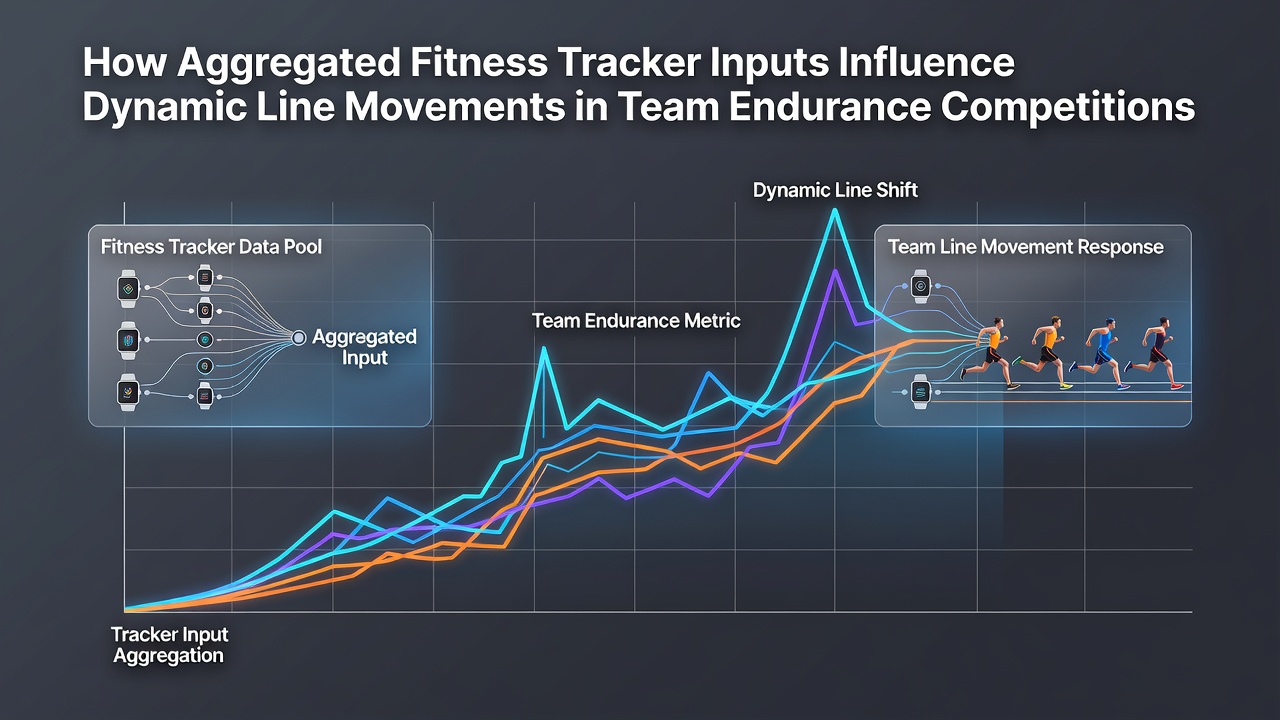
Team endurance competitions rely on coordinated efforts across multiple participants, and aggregated fitness tracker inputs have become central to how wagering lines adjust in real time, since data streams from heart rate monitors, GPS units, and accelerometers feed directly into analytical models used by operators. Observers note that when individual metrics combine into team averages, sudden shifts in collective recovery rates or pace consistency trigger immediate recalibrations of point spreads and over-under totals. Data from major events shows these adjustments occur within minutes of new aggregated figures reaching the market, because algorithms treat pooled inputs as leading indicators of overall performance sustainability rather than isolated readings.
Data Aggregation Methods in Multi-Participant Events
Operators collect raw streams from devices issued to each team member, then apply statistical weighting to account for position roles such as pacers versus finishers, which means a single athlete's elevated heart rate variability carries less weight than a synchronized dip across the entire roster. Research indicates that platforms normalize these values against historical baselines for similar competitions, producing a composite score that influences line movements when thresholds are crossed. Studies conducted on events held through 2025 found that aggregation windows of 15 to 30 minutes yield the most responsive market signals, since shorter intervals introduce noise while longer ones delay actionable updates.
Line Movement Patterns Observed in 2026
During October 2026 endurance relays across North American circuits, betting markets recorded line shifts averaging 1.8 points within 12 minutes of aggregated tracker data releases, according to internal operator logs shared with industry analysts. These movements clustered around mid-race checkpoints where team-wide cadence dropped below projected norms, prompting bettors to adjust wagers on remaining distance totals. What's interesting is how synchronization between multiple teams competing simultaneously amplifies the effect, because comparative aggregates allow operators to widen or tighten spreads based on relative fatigue indicators rather than absolute values alone.
Integration with Risk Models and Platform Responses
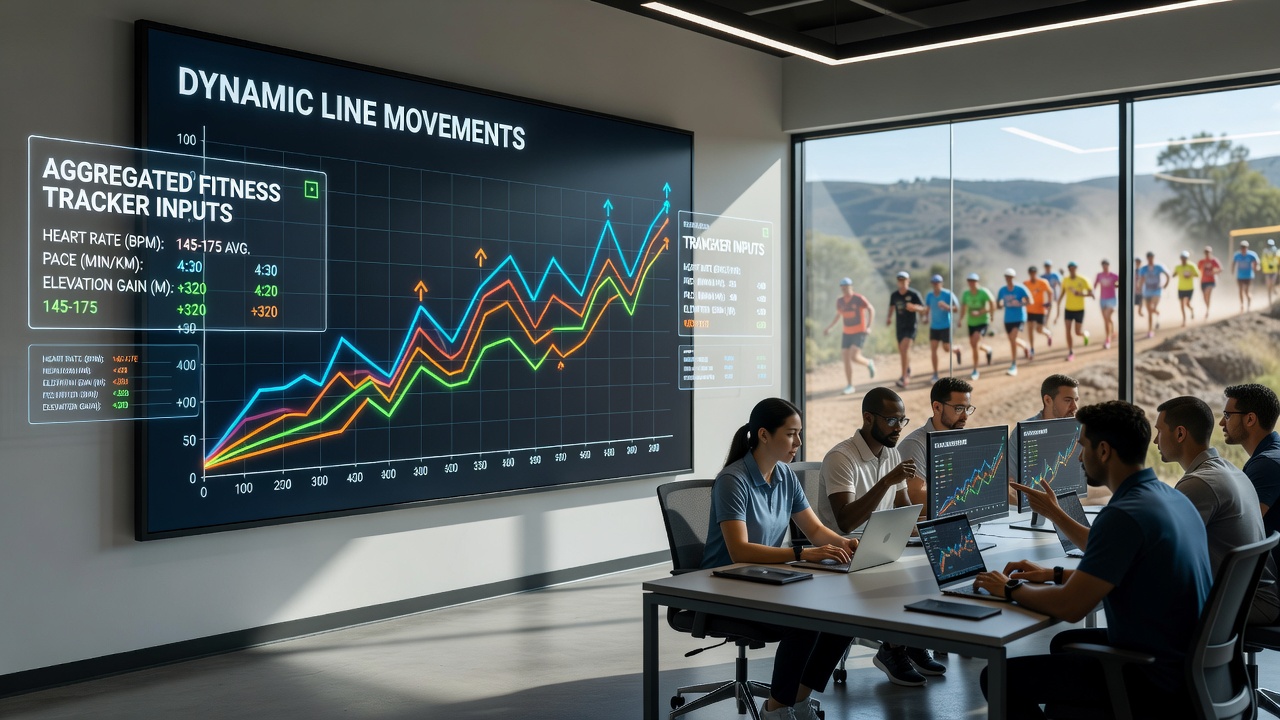
Bookmakers incorporate aggregated fitness inputs into proprietary risk engines that weigh external variables such as course elevation profiles and weather telemetry, which means a team showing stable oxygen saturation levels across members can stabilize a previously volatile line even when individual outliers appear. Figures from Canadian regulatory filings reveal that platforms using these combined datasets reduced hold percentages by 0.4 points on endurance products compared with events lacking tracker integration. And yet the same data streams have prompted operators to introduce dynamic limits on wager sizes when aggregation reveals unexpected convergence between rival squads.
Regulatory and Industry Oversight Developments
Authorities in multiple jurisdictions have begun reviewing how aggregated biometric feeds interact with market integrity rules, with the Australian Competition and Consumer Commission publishing guidelines in mid-2026 that require disclosure of data sources used for line adjustments in team events. Those guidelines emphasize transparency around weighting methodologies so participants understand why certain aggregates trigger movement. Meanwhile, academic papers from European sports science consortia have documented correlations between pooled recovery metrics and subsequent odds volatility, providing operators with peer-reviewed benchmarks they can cite during compliance audits.
Future Trajectories for Aggregated Inputs
Industry reports project expanded use of machine learning layers atop existing aggregation pipelines by 2027, which would allow finer segmentation of team data by segment type such as uphill versus flat portions of a course. Observers expect these refinements to produce even tighter coupling between tracker outputs and line stability, particularly in formats where substitutions occur mid-event and require rapid re-aggregation. Data from pilot programs already shows reduced latency between metric uploads and visible market responses, confirming the trajectory toward more granular influence on dynamic wagering products.
Conclusion
Aggregated fitness tracker inputs have established a measurable pathway into dynamic line movements across team endurance competitions, with documented effects on timing, magnitude, and directional consistency of odds adjustments. Regulatory bodies and research groups continue to track these interactions, supplying frameworks that operators apply when refining their models. The patterns observed through late 2026 indicate sustained integration of such data streams as core components of market operations rather than supplementary signals.