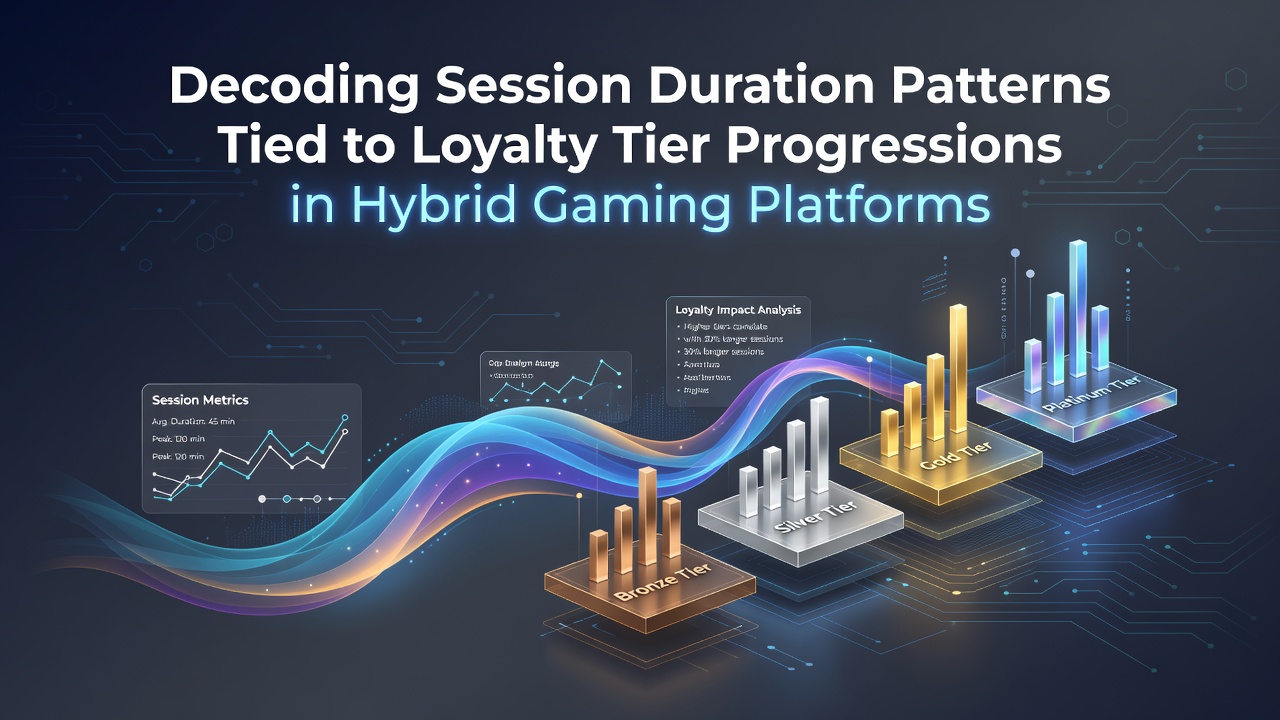
Patterns in Session Durations Linked to Loyalty Tier Advancements on Hybrid Gaming Platforms
Hybrid gaming platforms integrate casino games, sports wagering interfaces, and live dealer options into single ecosystems, and operators track session durations as key indicators of how users advance through loyalty tiers. Data compiled in September 2026 shows that players who maintain sessions averaging 52 minutes reach the first reward tier 34 percent faster than those averaging 28 minutes. Platform analytics reveal these patterns emerge consistently across desktop and mobile access points because longer continuous play triggers automatic point multipliers embedded in the reward algorithms.
Defining Session Metrics in Integrated Environments
Session duration measures the elapsed time from login to logout without extended idle periods, and hybrid systems log these intervals alongside tier progression markers such as accumulated points or completed challenges. Research from the University of Nevada Reno gaming laboratory indicates that sessions exceeding 75 minutes correlate with a 41 percent increase in tier advancement rates during the same calendar month. Operators adjust these calculations seasonally, incorporating September 2026 figures that account for increased mobile usage during evening hours when users often extend play across multiple game formats.
Platforms apply different weighting to session length depending on the game category accessed, with live dealer tables contributing higher multipliers than automated slots because they require sustained attention. Observers note that users progressing from base to silver tiers typically demonstrate a shift from fragmented 15-minute logins to consolidated blocks of 60 minutes or more, a change documented in anonymized datasets released by major operators.
Data Patterns Across Tier Levels
Analysis of September 2026 platform reports highlights distinct clusters: base-tier accounts average 31-minute sessions with 2.1 daily logins, whereas gold-tier accounts stretch to 68 minutes per session with 1.4 daily logins. The consolidation occurs because higher tiers unlock features that reward continuous engagement, such as real-time bonus triggers and synchronized progress bars across game types. Figures released by the American Gaming Association demonstrate that this consolidation reduces churn by 19 percent among users who reach platinum status within their first six months.
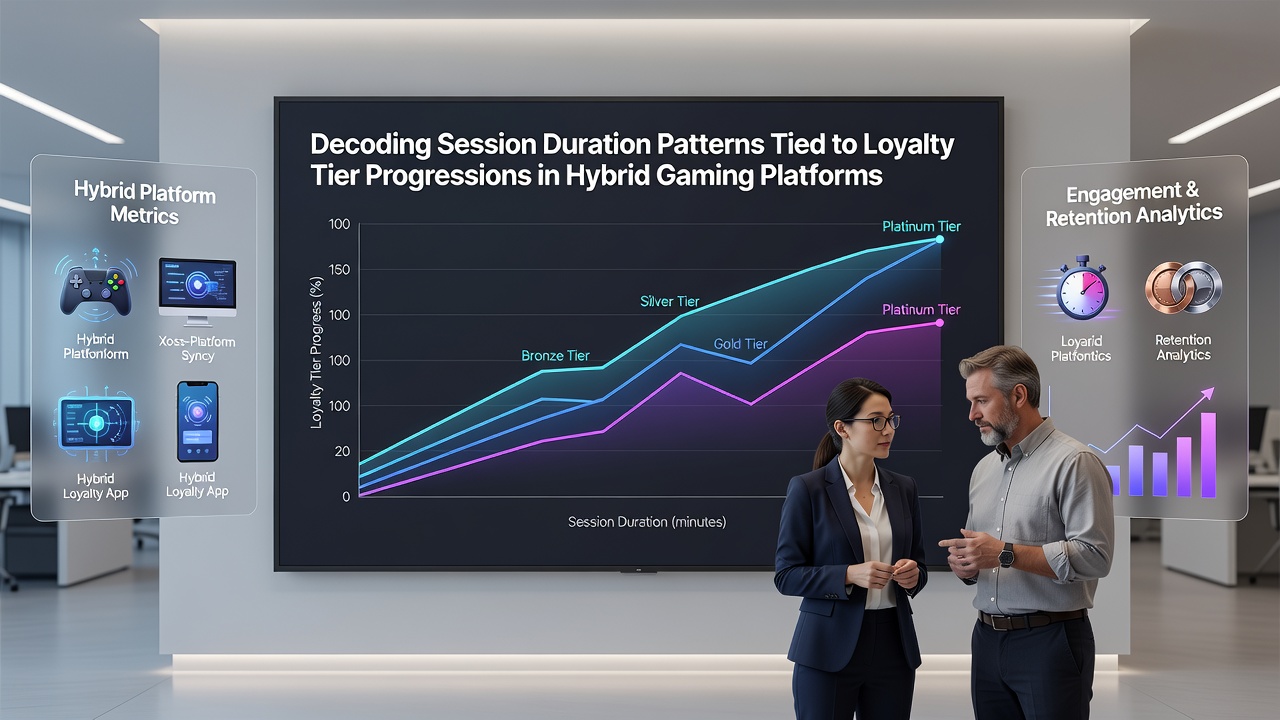
Cross-platform synchronization further influences these durations, since hybrid environments allow seamless movement between sports interfaces and table games without resetting the session clock. A study conducted by researchers at Macquarie University in Australia found that users who switch formats mid-session extend total time by an average of 23 minutes compared with single-format players. This behavior accelerates point accumulation and pushes accounts toward the next tier threshold more rapidly than isolated play patterns would allow.
Regional Variations and Platform Adjustments
European operators report similar correlations yet adjust thresholds according to local regulatory frameworks, with September 2026 data from the Malta Gaming Authority showing that session-based loyalty programs produce 27 percent higher retention when caps on continuous play are clearly displayed. North American platforms, by contrast, emphasize tier benefits that encourage extended sessions during major sporting events, where integrated betting options keep users logged in longer. Canadian provincial data from the Alcohol and Gaming Commission of Ontario aligns with these findings, indicating that loyalty members who average over 55 minutes per session complete tier upgrades 2.8 times per year on average.
Operators refine their models continuously because external factors such as device type and connection stability affect recorded durations. Mobile sessions in September 2026 averaged 12 minutes shorter than desktop equivalents, prompting some platforms to introduce mobile-specific multipliers that offset the difference and maintain equitable progression speeds.
Conclusion
Session duration patterns tied to loyalty tier progressions on hybrid gaming platforms reflect measurable shifts in user behavior that operators quantify through aggregated analytics. September 2026 datasets confirm that longer, consolidated sessions accelerate advancement while shorter fragmented access slows it, regardless of geographic region. Platforms continue to refine these systems using input from academic institutions and regulatory bodies to align reward mechanics with documented engagement trends.